
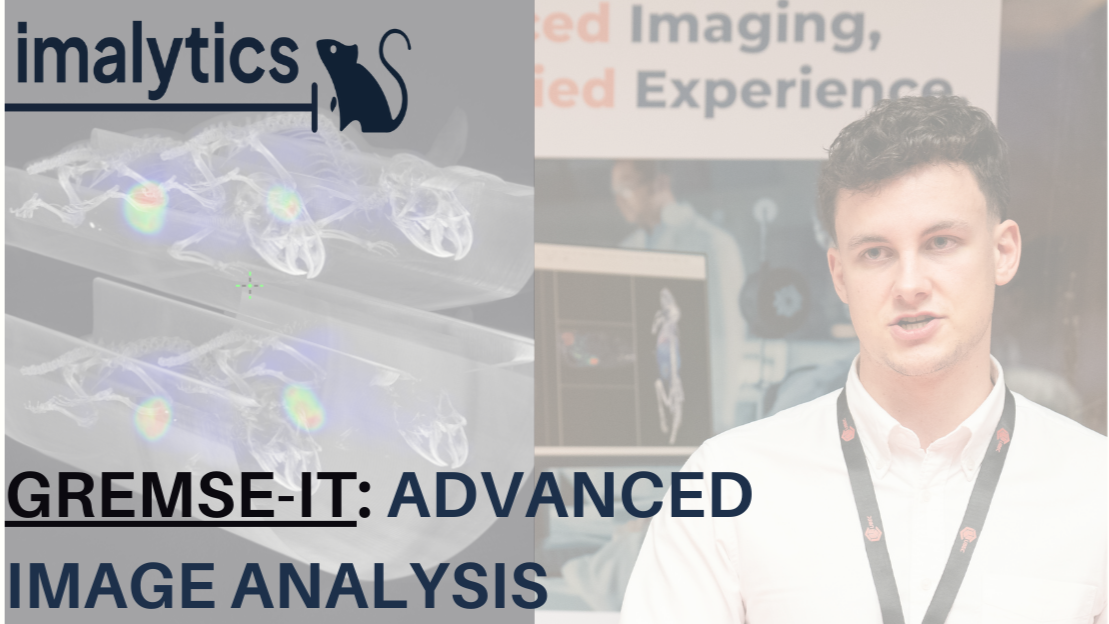
As machine learning continues to evolve, its integration into many sectors continues to expand. In the medical field, AI has significantly shifted the range of possibilities. Medical imaging is a field that has really benefitted from the advancements in AI, whether it's improved accuracy in the diagnosis of diseases, discovery of new medicines or in the development of personalized treatments.
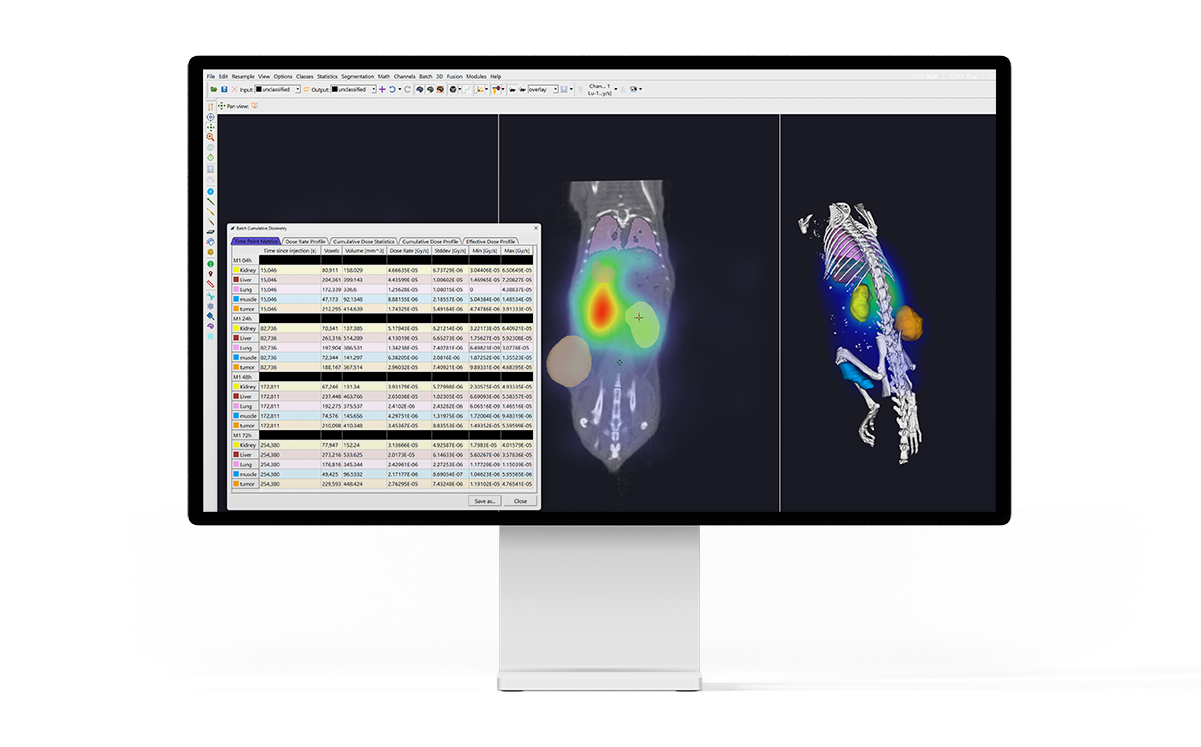
One company that has established itself as a prominent player in the medical imaging industry is Gremse-IT. Their main product is Imalytics Preclinical, an image analysis platform built for researchers involved in imaging. Their software is compatible with all medical imaging modalities (MRI, CT, Ultrasound, PET, SPECT etc.) and is currently used by more than 200 groups worldwide (academic and commercial). Imalytics Preclinical has been used by researchers in oncology, neurodegeneration, cardiology and many more fields in biomedical research. Besides world-renowned universities such as Stanford, Imperial College London and Washington University, the software is also integrated commercially in pharmaceutical companies like Pfizer, Merck, Johnson & Johnson, Roche, and others.
The software spin-off was founded in 2016 by Dr. Felix Gremse from RWTH University in Aachen, Germany. The company is renowned for its first software product, Imalytics Preclinical. Dr. Felix Gremse met Zachary Gurberg, a Bioengineering student at McGill, four years ago at the annual Society for Nuclear Medicine and Molecular Imaging (SNMMI) meeting. Zach and Felix hit it off and Zach initially joined Gremse-IT in a part-time business development role in 2021. With his interest in machine learning, he soon transitioned into a software position. Zach's passion, curiosity, and risk-taking nature led him to propose Felix the idea of a North American expansion of Gremse-IT. The dynamics and the shared drive between them led to the establishment of Gremse-IT's Montreal branch in 2024.
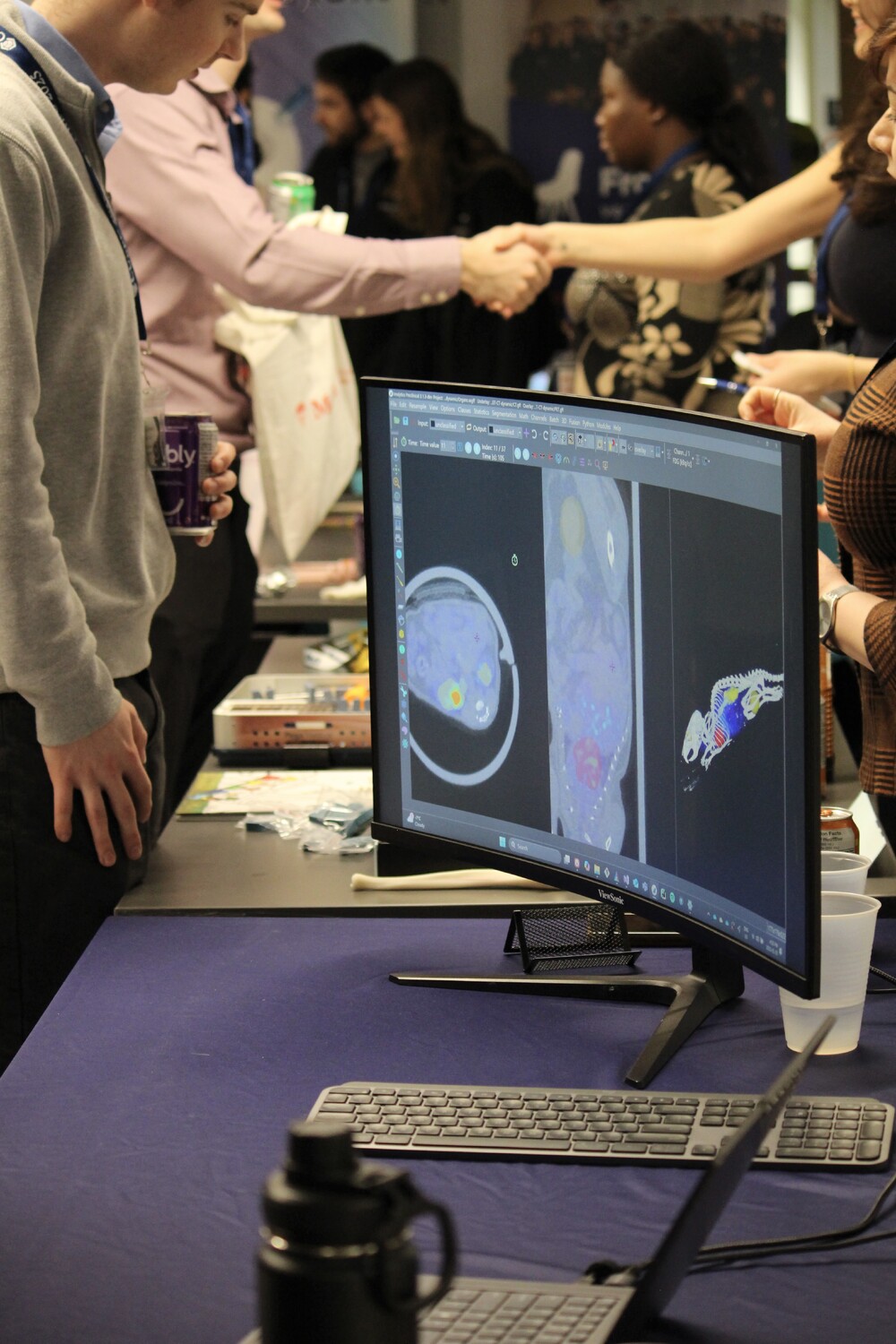
The software initially targeted academic institutions. The question arises: Why and how is the software being integrated? What is the need? As Zach explained, "researchers come in all shapes and sizes, whether they're at McGill or the MUHC. Take a graduate student, for example: maybe they're developing a new gene therapy and using imaging to see how effective the treatment is. Universities usually have shared core facilities with different imaging systems that researchers can pay to access. What we do with image analysis software is make it easy to take those images, quantify them, and interpret the results in an interactive, easy-to-learn way."
As time passed and credibility grew, the startup branched out into the commercial market, through two main customer segments, contract research organizations (CROs) and pharmaceutical companies. Smaller companies or departments do not have access to regulatory cleared bench-top testing facilities and infrastructure to conduct preclinical trials in-house. CROs provide these tools, including imaging, as a service. They prepare the subjects and conduct the imaging. These help both small biotech companies and large pharmaceutical players.
The question then arises: how do groups perform image analysis? The imaging workflow consists of the following processes: image acquisition, reconstruction, and analysis. The acquisition consists of the parameters and conditions under which the images are taken (resolution, field of view, contrast etc). Then, reconstruction involves converting the raw images into an interpretable dataset. Finally, image analysis pertains to cropping, segmentation, modelling, and quantification of the data.
In the Montreal branch, "the team is working towards developing machine learning algorithms to automate a lot of the processing these companies have to do regarding image analysis." One key area right now is radiopharmaceutical research.
Researchers isolate specific regions (organs and/or tumors) within the images to analyze where their drug is going. The manual labeling of these regions (also known as segmentation) is a very manual and repetitive process. Gremse-IT has automated that task for researchers, to help accelerate the validation process of new drugs.
The Montreal office consists of individuals from diverse backgrounds, including machine learning developers, application scientists and business development specialists. When asked about the benefits of being a multidisciplinary team, Zach explained how "it is good to see all aspects of the company in one room. Business developers can talk about clients' views, and it is nice for the developer to get first-hand feedback on the software they are developing. Furthermore, when a client has a specific demand for a feature, the business developer can ask the software team if it can be integrated. Essentially, this increases the productivity of the team."
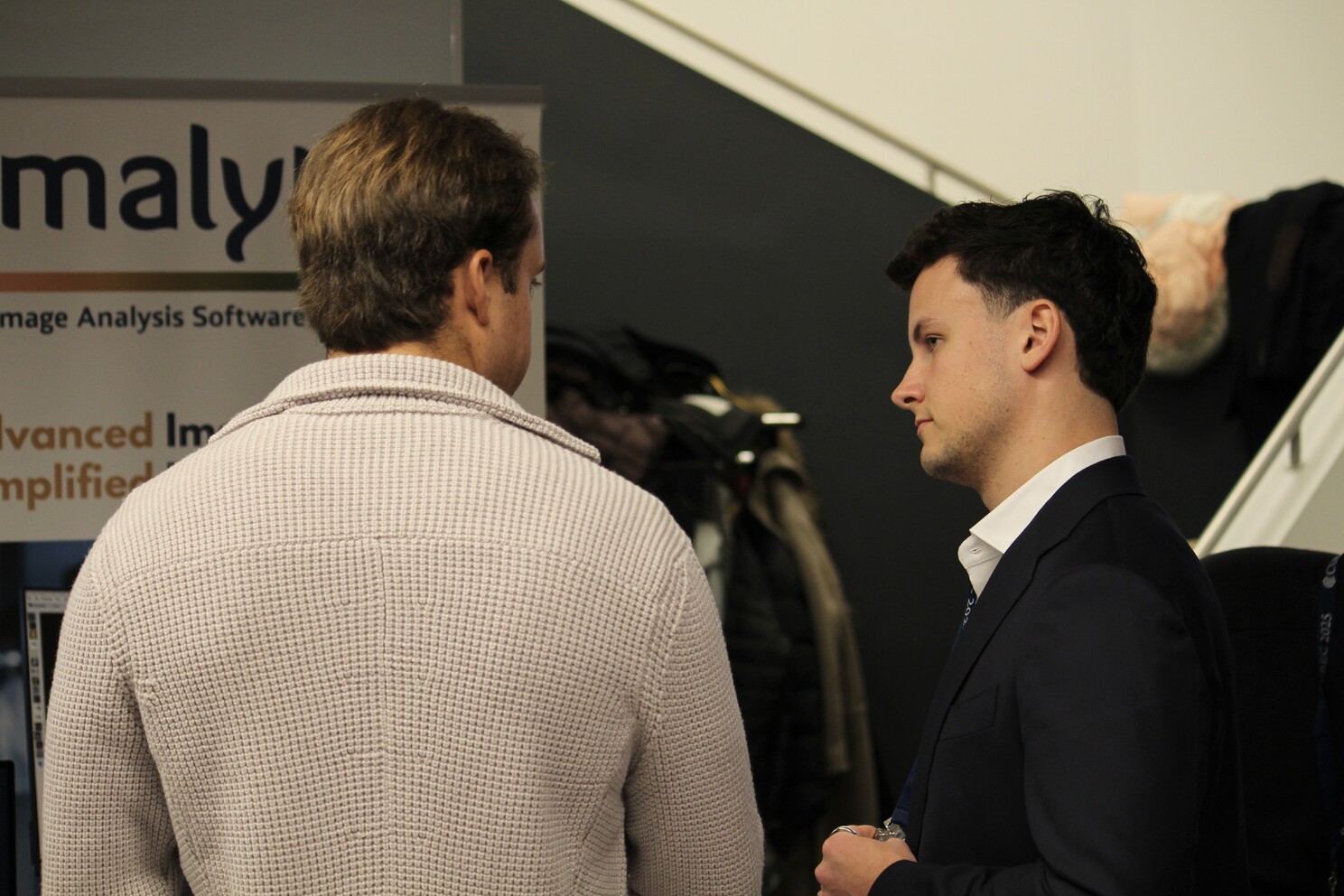
In the coming years, the startup aims to become the go-to image analysis platform for academia and industry, to accelerate the pace of new drug development, especially in radiopharmaceuticals.