
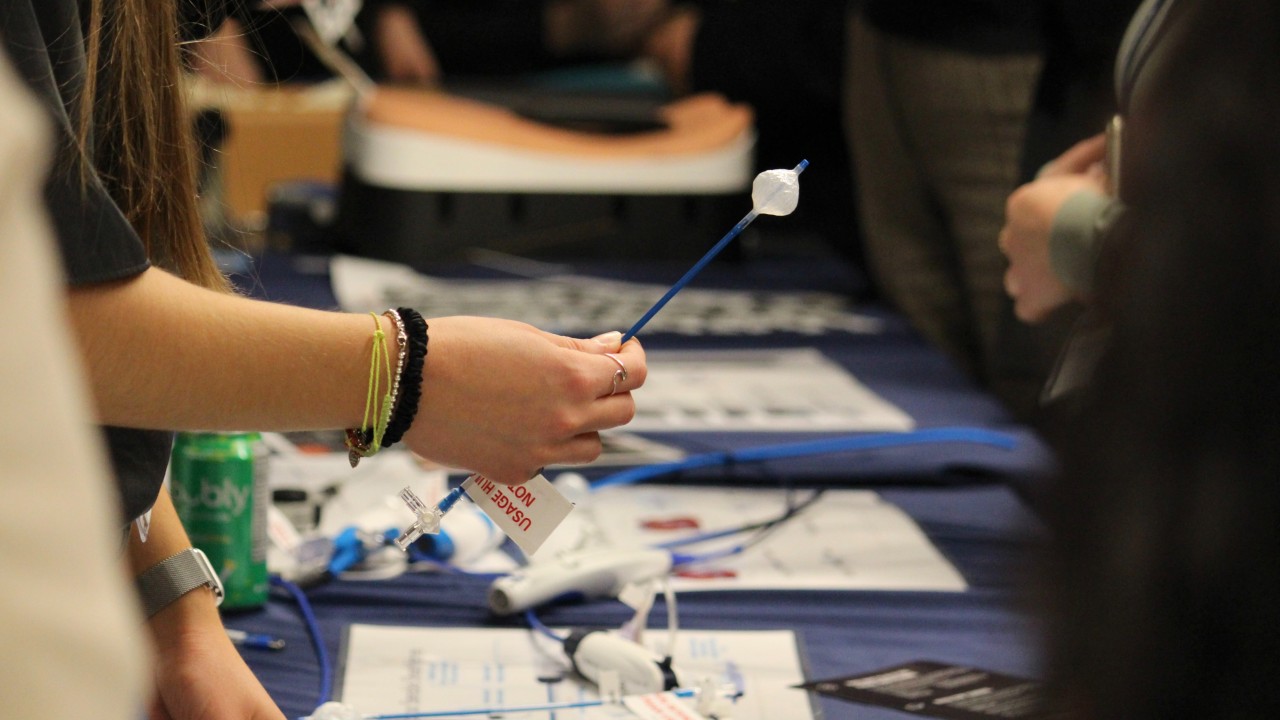
Medtronic is a global leader in healthcare technology, addressing complex medical conditions. Professionals like Sarah Morgan drive impactful change, inspiring hope and opening new possibilities. The devices Sarah works on are designed to treat atrial fibrillation by applying an energy to create scar tissue that prevents irregular electrical signals from propagating further through the heart.
Sarah explains: "We make an incision in the groin and introduce a sheath into the femoral vein. The sheath is used to guide the catheter to the heart. Using imaging and mapping catheters, the physician will navigate through the heart. Since atrial fibrillation originates in the left atrium, the doctor creates a small hole through the septal wall to be able to ablate around the pulmonary veins." Cardiac ablation is a minimally invasive procedure used to treat abnormal heart rhythms by creating scar tissue in specific areas of the heart, disrupting problematic electrical circuits. Atrial fibrillation (AF) is one of the most common arrhythmias that generate parasitic signals, leading to chaotic and inefficient blood pumping. If left untreated, it can remodel the heart and significantly increase the risk of stroke. The likelihood of developing AF increases with age, and contributing factors include diabetes, sleep apnea, prior heart conditions, and even prolonged athletic conditioning. In severe cases, AF can cause the heart to beat up to 600 times per minute, preventing proper circulation. Because some individuals experience no symptoms, the actual prevalence of arrhythmias may be underestimated.
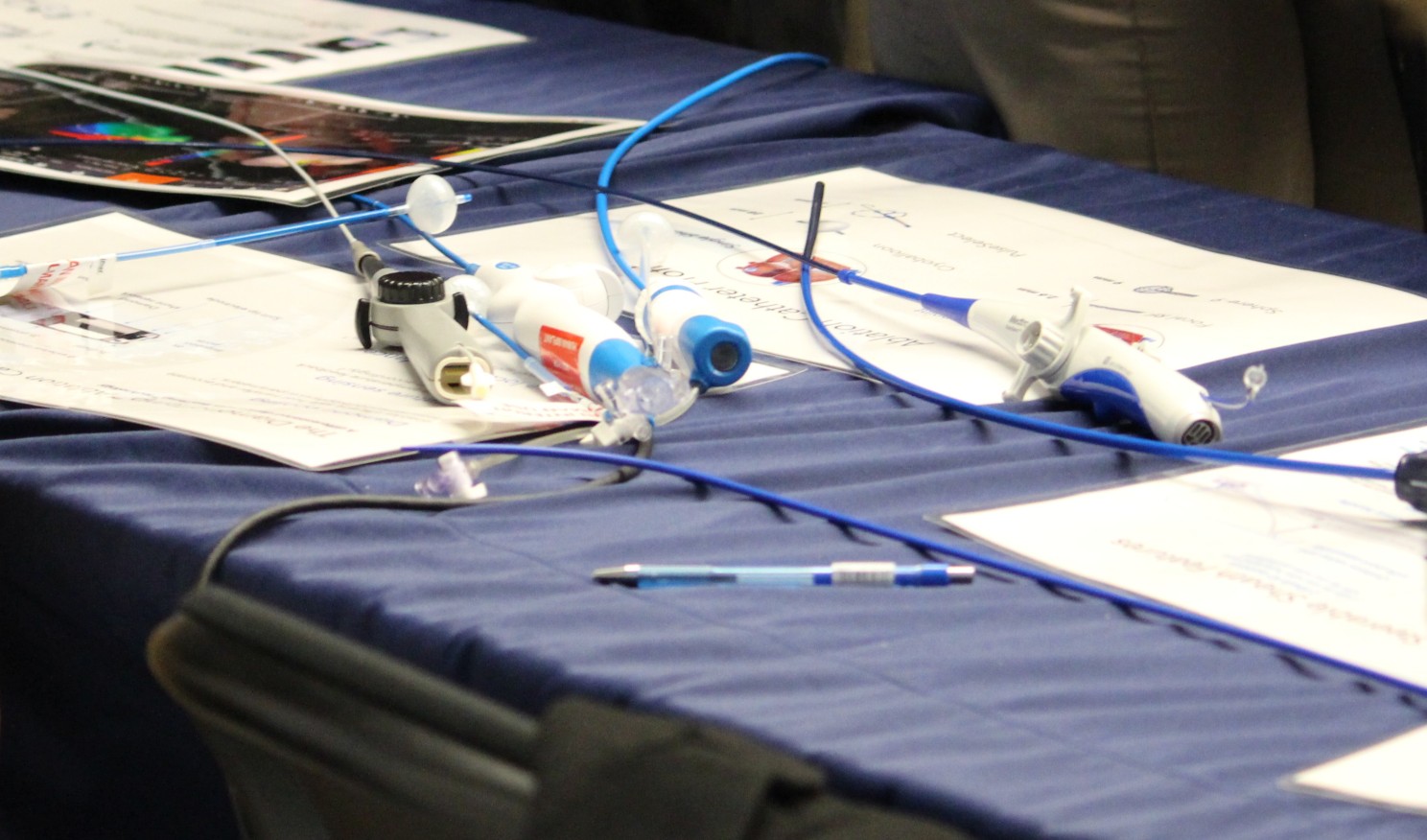
A common method for treating arrhythmias involves inserting a catheter into the groin, shoulder, or neck, guiding it through the blood vessels into the heart, and using energy sources such as cryoablation, radiofrequency, and pulse-field ablation. Physicians create controlled scars to disrupt irregular arrhythmias. Cryoablation freezes tissue using an over-the-wire cryoballoon to isolate the pulmonary veins. This method removes heat from cells, causing damage through hypothermia, ice formation, apoptosis, and necrosis. Another widely used method is radiofrequency (RF) ablation, which delivers heat point-by-point to burn tissue and disrupt faulty electrical pathways. RF ablation induces direct cellular damage through resistive and conductive heat, leading to hyperthermia coagulation necrosis. These procedures have revolutionized arrhythmia treatment, offering a safer and more effective alternative to invasive open-heart surgery, which carries significant risks.
Sarah's growth as an engineer has been shaped by hands-on experience. "I spent hours in the training room, watching operators practice and joining them whenever a station was free. Being able to fully build a catheter myself gave me a deeper understanding of the product and made me a better engineer. It helped me understand which components were critical, how the upstream and downstream effects of the manufacturing process could affect the design, and helped me come up with more innovative solutions for issues that needed to be solved."
"More importantly, I knew that every device I worked on would go directly to a patient. Ensuring these products are as safe and effective as possible isn't just part of the job—it's a responsibility I take seriously."
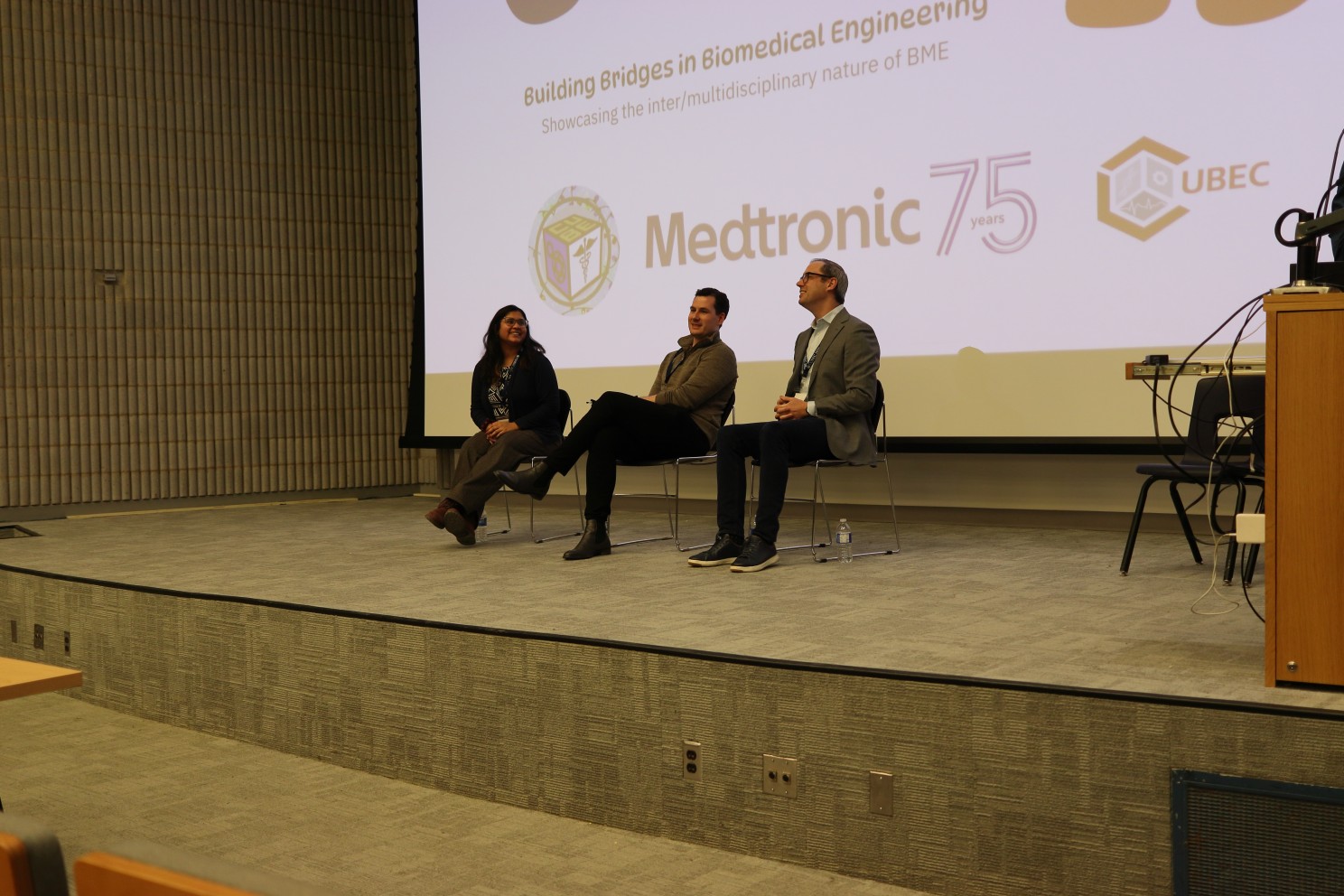
Medtronic's commitment to innovation ensures that engineers like Sarah continue to push boundaries, combining technical expertise with a patient-first mindset to drive meaningful change in healthcare.
The future of cardiac ablation is evolving with more precise energy delivery methods, improved catheter designs, and expanded treatment options for complex heart conditions. But beyond innovation, ensuring patient safety and global compliance remains at the heart of Medtronic's mission. Sarah and her team work closely with regulatory agencies worldwide, including Health Canada, the FDA, and TÜV, to bring life-changing treatments to patients safely and effectively. By blending cutting-edge technology with compassionate care, they are not only improving outcomes for those with atrial fibrillation but also shaping the future of medicine—one heartbeat at a time.